If you’re considering nose surgery, you may be wondering whether the procedure will leave visible rhinoplasty scars. While all surgical procedures involve small incisions, modern rhinoplasty techniques are designed to minimize scarring and place incisions in discreet locations. At Texas Dermatology, patients often ask how noticeable rhinoplasty scars are and how they heal over time. Today, we’ll take a closer look at rhinoplasty scars and what you can expect during recovery.
What You’ll Learn
This guide explains what patients can expect when it comes to rhinoplasty scars, including these key takeaways:
- Rhinoplasty scars are typically very small and often difficult to notice once healing is complete.
- Most rhinoplasty incisions are carefully placed inside the nostrils or along natural skin creases to help keep rhinoplasty scars discreet.
- Both open and closed rhinoplasty techniques are designed to minimize visible rhinoplasty scars while allowing surgeons to reshape the nose effectively.
- Proper aftercare, including sun protection and following post-operative instructions, helps support optimal healing.
Introduction to Rhinoplasty & Scarring
Rhinoplasty is a surgical procedure that reshapes or reconstructs the nose to improve its appearance or function. During the procedure, small incisions are made to allow the surgeon to access the underlying bone and cartilage.
Because the nose sits at the center of the face, patients often worry that rhinoplasty scars will be noticeable. However, advances in surgical techniques have made visible scarring extremely uncommon. In most cases, the incisions used in rhinoplasty are either hidden inside the nostrils, placed along natural skin creases, or positioned in areas where scars heal discreetly. As a result, once healing is complete, rhinoplasty scars are usually very difficult to detect.
Scarring from Open Rhinoplasty
An open rhinoplasty involves a small incision across the strip of skin between the nostrils, known as the columella. This approach allows the surgeon to lift the nasal skin and gain a clearer view of the internal structures of the nose.
Because the incision is placed in a small natural crease, rhinoplasty scars from an open procedure are typically very subtle. Over time, the scar usually fades and blends into the surrounding skin. Many surgeons prefer the open rhinoplasty approach for patients who require more complex changes to the nose, like reshaping the nasal tip, correcting asymmetry, repairing previous nasal surgery, or addressing structural breathing issues such as a deviated septum.
Even though an external incision is used, rhinoplasty scars from this technique generally heal very well and become barely visible after several months.
Scarring from Closed Rhinoplasty
Closed rhinoplasty is another technique commonly used for nasal reshaping. With this approach, all incisions are placed inside the nostrils, meaning there are no visible rhinoplasty scars on the outside of the nose.
Because the incisions remain internal, patients often appreciate that closed rhinoplasty eliminates the possibility of external scarring. Closed rhinoplasty is typically recommended for patients who require more subtle adjustments, like smoothing a small bump on the nasal bridge, refining the nasal tip, or adjusting minor asymmetry.
Both open and closed techniques can produce excellent results. The best approach depends on the patient’s anatomy, goals, and the complexity of the procedure. Regardless of the technique used, rhinoplasty scars are usually minimal when the procedure is performed by an experienced surgeon.
How to Minimize Rhinoplasty Scars
Although rhinoplasty scars are generally very small, proper aftercare can help ensure the best possible healing. Following your surgeon’s instructions carefully is one of the most important steps in reducing the appearance of scars.
Keep the Surgical Area Clean & Protected
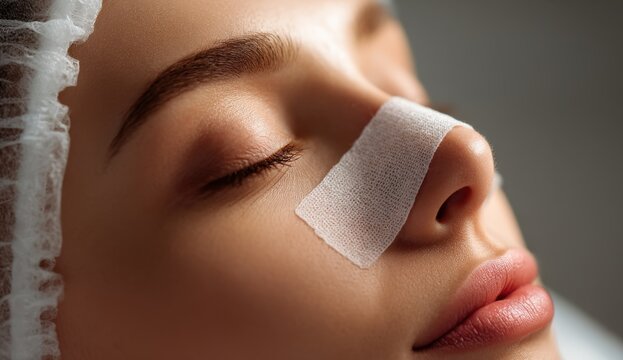
Keeping the surgical area clean is one of the most important steps in supporting proper healing after rhinoplasty. Your provider will typically give specific instructions on how to gently cleanse the area and care for any dressings or splints. Maintaining good hygiene during recovery also supports the healing process and helps ensure that rhinoplasty scars remain as subtle as possible.
Avoid Touching or Pressure on the Nose During Healing
During the first few weeks after surgery, it is important to avoid touching, rubbing, or placing pressure on the nose. The nasal tissues are still healing, and unnecessary pressure can disrupt the delicate surgical work that was performed. Even simple actions such as wearing glasses or sleeping on your stomach may need to be avoided temporarily. For similar recovery guidance, see our post on top tips for a comfortable post-procedure recovery.
Protect the Skin from Sun Exposure
Sun protection plays a key role in helping surgical scars heal properly. Newly healing skin is especially sensitive to ultraviolet (UV) light, which can cause discoloration and make scars more noticeable. Patients recovering from rhinoplasty are typically advised to limit sun exposure and wear protective measures such as hats or sunscreen once cleared by their provider. If you’re interested in addressing other skin concerns post-recovery, treatments like laser skin resurfacing can help improve overall skin texture and minimize scar appearance.
Attend All Scheduled Follow-Up Appointments
Follow-up visits are an important part of the rhinoplasty recovery process. During these appointments, your provider can monitor healing, address any concerns, and ensure that the nose is recovering as expected. These visits also provide an opportunity to discuss scar care and receive personalized recommendations for managing rhinoplasty scars.
Recovery Tips for Rhinoplasty
Healing after rhinoplasty occurs gradually and the appearance of rhinoplasty scars improves over time. During the first few weeks after surgery, mild swelling and redness near the incision areas are normal. As the body continues to heal, these signs fade and the skin begins to settle.
Helpful recovery tips include getting plenty of rest during the early healing phase, sleeping with the head elevated to reduce swelling, avoiding strenuous exercise until cleared by your provider, and following all post-operative care instructions carefully.
Patients treated at Texas Dermatology in San Antonio and New Braunfels receive detailed aftercare guidance to support a smooth recovery. With proper care, rhinoplasty scars typically become softer and less noticeable as healing progresses. Most patients find that once the nose has fully healed, any remaining scar tissue is extremely subtle and difficult to see.
FAQs
Does rhinoplasty leave noticeable scars?
Depending on your goals and needs, rhinoplasty may only require a small incision on the columella between the nostrils. In most cases, rhinoplasty scars from this incision heal very well and become difficult to see once the skin has fully healed.
How can I minimize scarring after rhinoplasty?
To reduce the appearance of rhinoplasty scars, patients should carefully follow post-operative instructions, avoid sun exposure, and attend follow-up appointments with their provider. Your surgeon may also recommend scar care treatments if needed.
How visible are scars in the long term?
Long-term rhinoplasty scars are usually extremely subtle. As healing progresses, scars tend to fade and blend into the surrounding skin, making them barely noticeable for most patients.
Why Choose Texas Dermatology for Rhinoplasty
Texas Dermatology is a trusted destination for patients seeking rhinoplasty, offering expert facial procedures designed to enhance both appearance and function. Our experienced providers take a meticulous, patient-focused approach to nasal surgery, helping individuals refine the shape of the nose, improve facial harmony, and address breathing concerns when needed.
What sets Texas Dermatology apart is our customized, medically guided approach to rhinoplasty. Every treatment plan is carefully tailored to the patient’s facial anatomy and aesthetic goals to ensure natural-looking, balanced results. With convenient locations throughout San Antonio, New Braunfels, and surrounding Texas communities, Texas Dermatology combines advanced surgical expertise with compassionate care. Connect with us today!