Botox forehead lift treatments have become one of the most popular non-surgical options for patients who want smoother, more lifted brows without the downtime of surgery. Instead of cutting and repositioning tissue, BOTOX® relaxes the specific muscles that pull the brow down, allowing the muscles that lift it to take over. If you have noticed heaviness above your eyes or deepening horizontal lines, this approach may be worth discussing with a board-certified provider.
Key Takeaways
-
Botox can create a subtle, non-surgical brow lift by relaxing the muscles that pull the brow downward. This allows the muscle that raises the brow to work with less resistance, typically producing a lift of a few millimeters.
-
Results from a Botox forehead lift generally last 3-4 months. Some patients see results closer to the 4-6 month range, and follow-up appointments every 3-4 months help maintain consistent results.
-
A forehead lift with Botox typically requires a small, targeted number of units. The exact dose depends on muscle strength, brow shape, and the degree of lift desired, which your provider determines at consultation.
-
Botox is not a substitute for a surgical brow lift in cases of significant skin laxity. It works best for mild to moderate brow drooping and dynamic forehead lines rather than excess skin.
-
Botox can help correct mild brow asymmetry. Careful, personalized injection patterns can raise one brow slightly more than the other to create better facial balance.
If you are curious whether a Botox treatment could achieve the lifted, refreshed look you want, schedule a consultation with our team at Texas Dermatology. We can evaluate your forehead and brow anatomy in person and build a treatment plan around your goals.
How Botox Works for a Non-Surgical Forehead Lift
A Botox forehead lift works by targeting the muscles responsible for pulling the eyebrows downward, primarily the depressor muscles around the glabella and lateral brow. When these muscles are relaxed, the frontalis muscle (the muscle that raises the eyebrows) faces less opposition and can lift the brow slightly higher.
This is different from how Botox treats forehead lines. Line-softening injections relax the frontalis itself to reduce horizontal creases, while a brow lift pattern selectively spares or minimizes frontalis relaxation while targeting the depressors instead. Botox does not tighten skin or remove excess tissue the way a surgical brow lift can. It simply shifts the balance of muscle pull to create a more open, lifted eye and brow area.
Benefits of Using Botox for a Forehead Lift
A non-surgical approach to brow lifting offers several practical advantages for patients who are not ready for, or do not need, a surgical procedure.
-
No incisions or downtime. This is an in-office injectable treatment, so you can typically return to normal activities the same day.
-
Natural-looking results. A skilled injector can create a subtle lift that opens the eyes without freezing your natural expression.
-
Softer forehead lines. Many patients notice smoother skin across the forehead in addition to the lifted brow effect.
-
Adjustable results over time. Because Botox is temporary, your provider can fine-tune the dose and pattern at each follow-up visit.
-
Lower cost of entry. Compared to surgical options, Botox allows patients to test the aesthetic benefits of a lifted brow before committing to surgery.
What to Expect During and After the Procedure
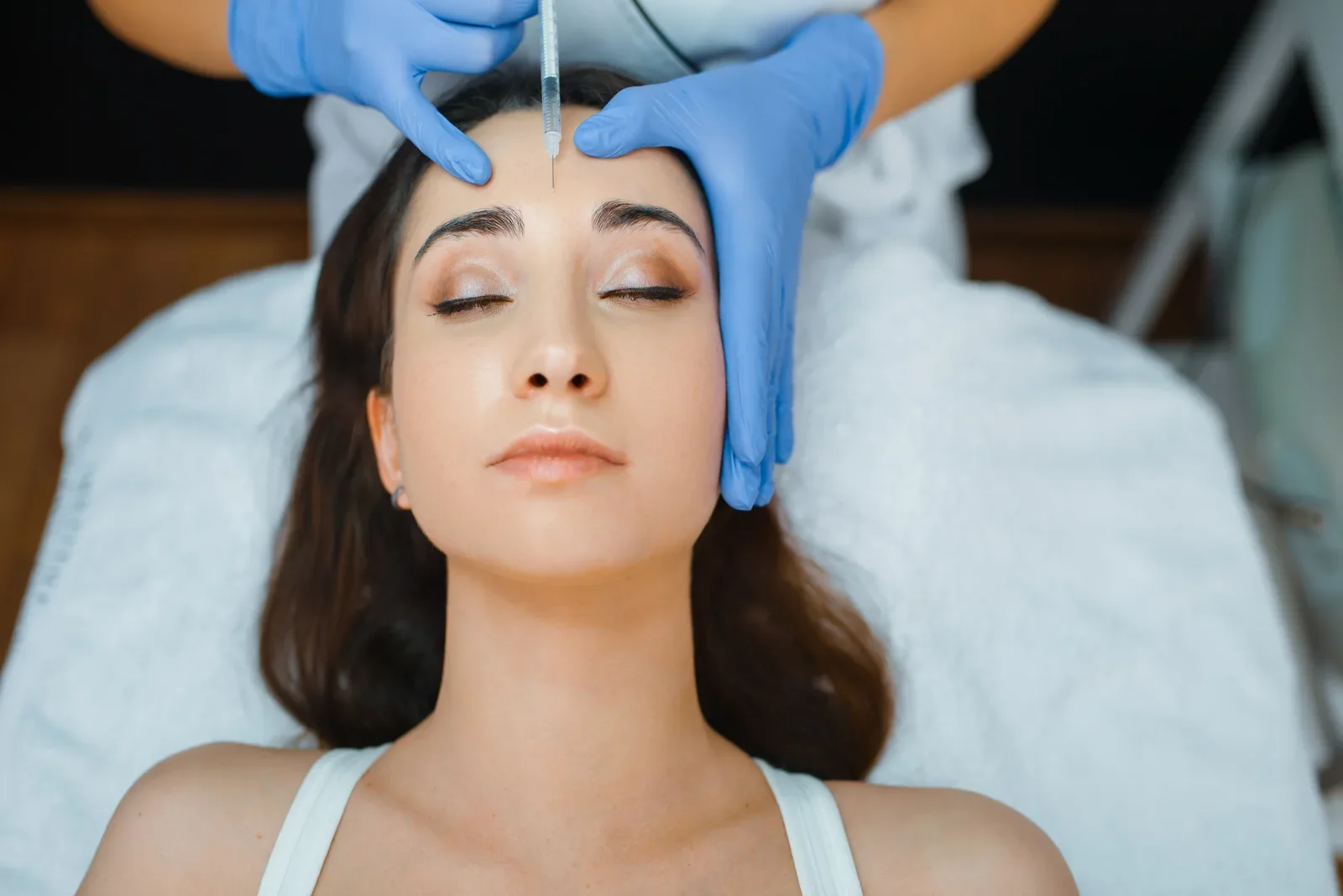
A Botox forehead lift appointment typically takes 10-15 minutes. Your provider will assess your brow position, muscle strength, and facial symmetry before mapping out precise injection points around the forehead and brow area.
The injections themselves involve a series of small, quick pinches using a fine needle, and most patients tolerate the sensation well without numbing cream. You may notice mild redness or small bumps at the injection sites that resolve within 30-60 minutes. Bruising is possible but uncommon. Visible lifting typically begins within 3-7 days, with full results appearing by 10-14 days. Avoiding strenuous exercise and lying flat for a few hours afterward is generally recommended, and you can learn more about post-treatment care in our guide on what to avoid after Botox treatment.
How Long Do Forehead Lift Results Last with Botox?
Botox forehead lift results generally last 3-4 months, though some patients maintain visible lift for closer to 4-6 months depending on metabolism, muscle strength, and the amount of product used. As the effect gradually wears off, the brow will slowly return to its original position over several weeks rather than all at once.
For results that stay consistent, we recommend scheduling follow-up appointments every 3-4 months. Regular treatment intervals also tend to make results last slightly longer over time, since the targeted muscles gradually weaken with repeated relaxation. You can read more about what influences longevity in our post on how long Botox lasts.
Frequently Asked Questions About Botox Forehead Lifts
How does Botox achieve a forehead lift?
Botox achieves a forehead lift by relaxing the small muscles that pull the eyebrows downward, allowing the frontalis muscle to raise the brow with less resistance. This creates a subtle, natural-looking lift rather than the more dramatic repositioning achieved with surgery.
Is Botox a safe option for lifting the forehead?
Botox has a long track record in aesthetic medicine and is considered a safe option for forehead and brow treatment when administered by a board-certified provider. As with any injectable, side effects such as temporary bruising, redness, or mild headache are possible but generally resolve quickly.
How long do Botox results last for a forehead lift?
Botox forehead lift results typically last 3-4 months, with some patients seeing results extend closer to 4-6 months. Follow-up treatments every 3-4 months help keep results consistent.
Can Botox help with brow asymmetry during a forehead lift?
Botox can help address mild brow asymmetry by using a customized injection pattern that lifts one brow slightly more than the other. This requires a careful assessment of your natural brow position and muscle movement, which is why an experienced injector matters.
How many Botox units are typically needed for a forehead lift?
The number of units needed for a Botox forehead lift depends on muscle strength, brow position, and the degree of lift desired, and your provider will determine the right dose at your consultation. For a general sense of typical dosing ranges, our post on how many units of Botox are used for the forehead breaks this down further.
Ready to explore whether a Botox forehead lift is right for you? Book a consultation with Texas Dermatology in San Antonio, Texas, and our board-certified providers will build a personalized treatment plan to help you achieve a naturally lifted, refreshed look.