Chemical peel cost depends on the depth of the peel, the ingredients used, and the goals you are working toward with your care team. In San Antonio, New Braunfels, and surrounding areas, chemical peels are one of the more accessible skin treatments available through a medical dermatology or medspa practice. This article walks through the factors that shape chemical peel cost so you can have a more informed conversation at your consultation.
Key Takeaways
-
Chemical peel cost typically depends on depth. Superficial peels generally cost less than medium-depth peels, since they use milder acids and require less recovery support.
-
Peel type affects both price and downtime. Glycolic, salicylic, lactic, and TCA peels each work at different depths, which changes the preparation, monitoring, and aftercare involved.
-
Most patients need a series rather than a single session. Follow-up appointments every 3-4 months help address results that are uneven or incomplete after one treatment.
-
Pricing reflects more than the solution itself. Provider assessment, application time, and aftercare guidance are generally part of what goes into the price of a professional peel.
-
Stronger peels are not automatically the right choice. The most suitable peel depth depends on your skin type, goals, and tolerance for downtime, which your care team evaluates during a consultation.
If you have specific questions about which peel might suit your skin, you can schedule a consultation with our care team. We are happy to walk you through your options.
Different Peel Types
Chemical peels fall into a few general categories, and the type used plays a large role in overall cost. Glycolic acid and lactic acid peels are common superficial options, gently exfoliating the outer layer of skin with minimal downtime. Salicylic acid peels are often used for acne-prone skin, since the acid can penetrate oil-clogged pores.
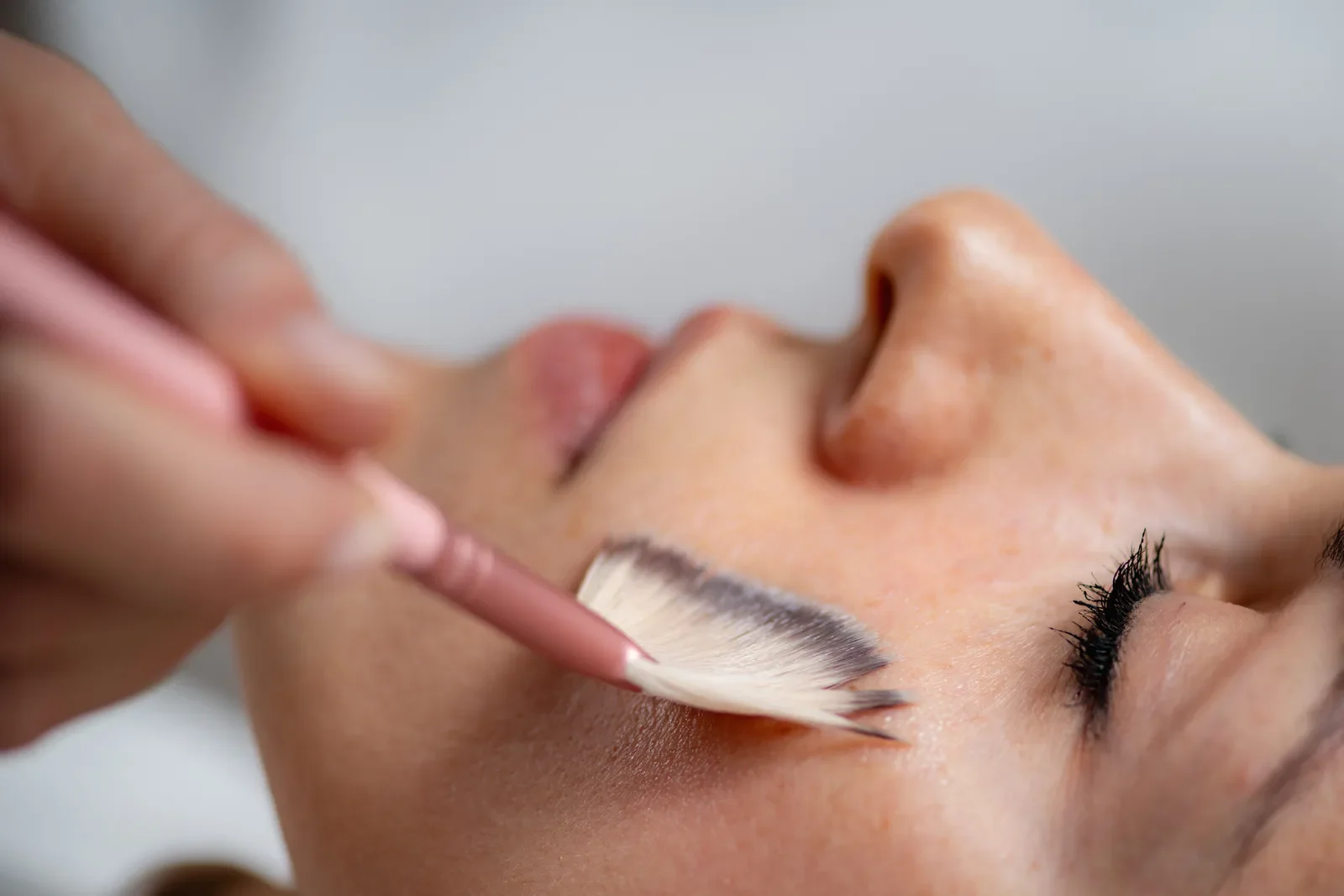
Trichloroacetic acid (TCA) peels reach a medium depth and are typically used for more visible texture or tone concerns. Each peel type uses different ingredients and concentrations, which affects both the treatment cost and the time your provider spends monitoring your skin during application. Learn more about the chemical peel options in San Antonio available through our practice.
Superficial vs Medium-Depth Peel Costs
Superficial peels generally cost less than medium-depth peels, largely because they involve less preparation, shorter application time, and a simpler aftercare routine. A superficial peel removes only the outermost layer of skin, so recovery is usually brief and the ingredients used are milder.
Medium-depth peels, such as higher-concentration TCA formulas, reach further into the skin and typically require more provider oversight before, during, and after treatment. This added time and clinical attention is generally reflected in the price. Your care team will discuss which depth is appropriate for your skin and goals, along with the associated cost, during your consultation.
What’s Included in the Cost
The price of a professional chemical peel usually covers more than the solution applied to your skin. It typically reflects a provider assessment of your skin type and concerns, the application itself, and guidance on at-home aftercare to support healing.
If results are uneven or incomplete, we recommend follow-up appointments every 3-4 months so your care team can evaluate how your skin responded and adjust your plan. Your care team can explain what is included with your treatment and how additional sessions are priced. If cost is a concern, here at Texas Dermatology we offer financing options through CareCredit® to help make treatment plans more manageable.
What Affects Chemical Peel Cost
Several variables influence what you will ultimately pay for a chemical peel. Peel depth and ingredient concentration are the biggest factors, but the size of the treatment area (face only versus face, neck, and chest) also matters.
The number of sessions recommended for your goals and whether the peel is combined with another service, such as microneedling or a facial, can also affect total cost. Skin concerns like acne or uneven texture may require a tailored peel protocol. Our guide to chemical peels and acne explains how peel selection changes based on skin condition.
Are Chemical Peels Worth the Investment?
Whether a chemical peel is worth the investment depends on your skin goals and what you are hoping to improve, such as texture, tone, or mild acne marks. Compared to many laser or surgical procedures, peels are often a more accessible starting point for improving the look of your skin.
A chemical peel does not tighten skin or address deeper structural concerns the way a surgical procedure might, so it is important to set realistic expectations. For many patients, a series of peels with follow-up appointments every 3-4 months, combined with a consistent at-home skincare routine, offers a reasonable way to support ongoing skin health. Individual experiences and results vary, and your provider can help you weigh the investment against your specific goals.
Frequently Asked Questions About Chemical Peel Cost
What is the average cost of a chemical peel?
Chemical peel cost varies based on the depth of the peel, the ingredients used, and the treatment area. Pricing is discussed individually during a consultation, since it depends on your specific skin goals and the peel protocol your provider recommends.
Do stronger chemical peels cost more?
Generally, yes. Medium-depth peels, like higher-concentration TCA formulas, typically involve more preparation, application time, and provider oversight than superficial peels, which can affect overall cost.
Are follow-up treatments included in the price?
What is included varies by treatment plan. Additional peel sessions are typically priced separately, and your care team will explain what your visit includes when you discuss your plan at your consultation.
How many sessions will I need?
Most patients benefit from a series of peels rather than a single session, with follow-up appointments every 3-4 months to check progress. Your provider will recommend a specific number of sessions and spacing based on your skin type and goals at your consultation.
Ready to learn more about chemical peel cost and whether this treatment fits your skin goals? Contact Texas Dermatology in San Antonio, with locations also serving New Braunfels and Kenedy, to schedule your consultation and get answers tailored to your skin.