A chemical peel for acne works by exfoliating dead skin cells, unclogging pores, and calming the inflammation that drives breakouts. For many patients in San Antonio and surrounding areas, peels become a reliable part of a broader acne treatment plan rather than a stand-alone fix. They will not replace prescription medication for severe cystic acne, but they can improve mild to moderate breakouts and the texture left behind after acne heals.
Key takeaways
- Chemical peels can reduce active breakouts by removing excess oil and dead skin that clog pores. Salicylic acid peels are especially effective because they are oil-soluble and penetrate directly into pores.
- Most patients need a series of 4-6 peels, spaced 2-4 weeks apart, to see noticeable improvement. Single peels rarely produce lasting change in active acne or acne scarring.
- Superficial peels typically cause minimal downtime, with redness and light flaking lasting 1-3 days. Deeper peels used for scarring may require closer to a week of visible peeling.
- Chemical peels can soften the appearance of shallow acne scars but will not resolve deep, pitted scarring on their own. Deeper scars often require microneedling or laser treatments in combination with peels.
- Follow-up sessions every 3-4 months are generally recommended to maintain clear, even-toned skin. This helps prevent results from becoming uneven or incomplete over time.
If you are dealing with persistent breakouts or post-acne texture concerns, schedule a consultation with Texas Dermatology to find out whether a chemical peel fits your skin and your goals.
How chemical peels treat active acne
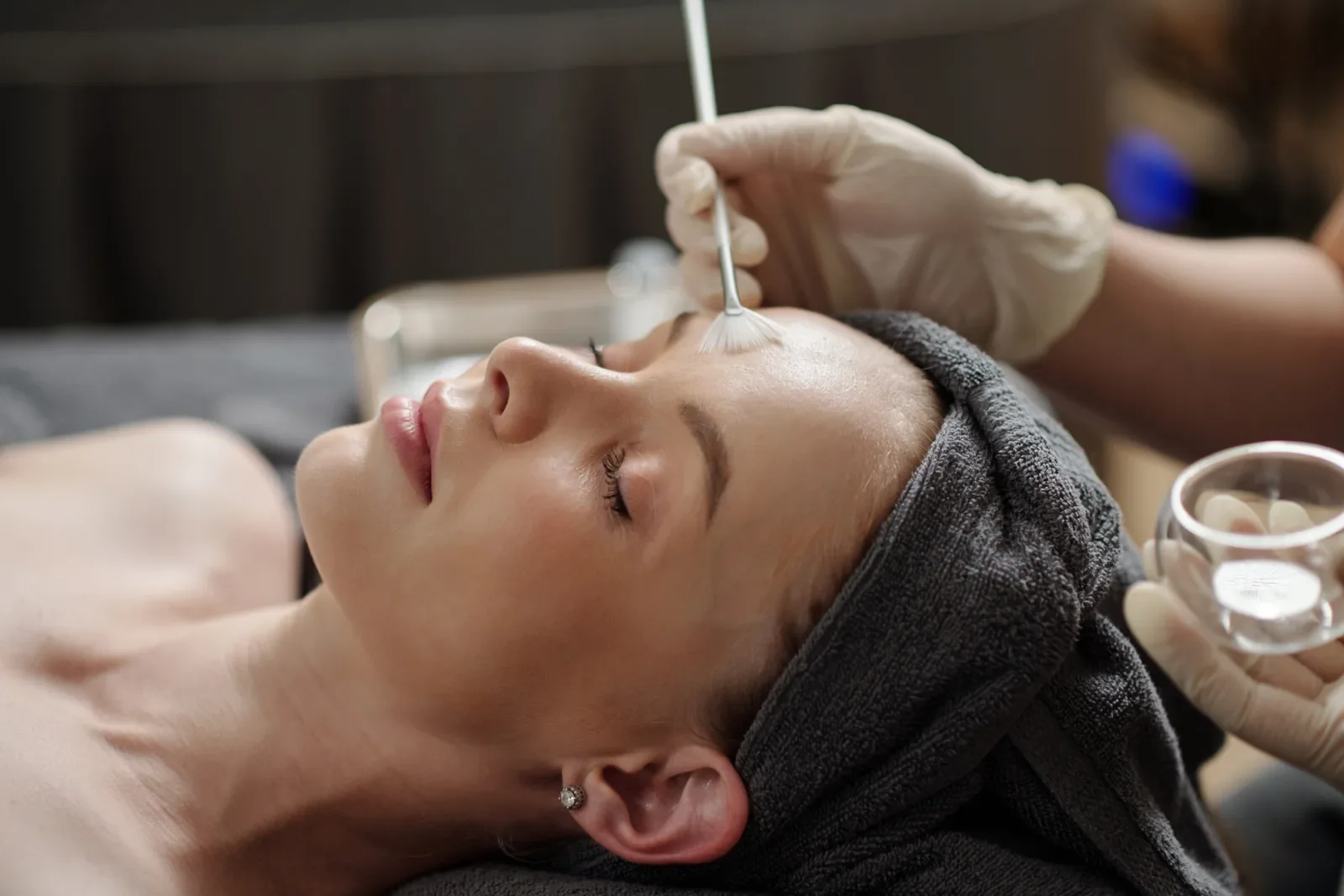
A chemical peel applies a controlled acid solution to the skin’s surface, which loosens the bond between dead skin cells and encourages faster, more even cell turnover. This reduces the buildup that traps bacteria and oil inside pores, one of the main triggers of active breakouts. Many peel formulations (particularly those containing salicylic acid) also have anti-inflammatory properties that calm the redness and swelling of inflamed acne lesions.
Regular treatments can help prevent new breakouts by keeping pores clearer between sessions. That does not mean a peel cures acne outright. It works best as one part of a broader acne treatment plan that may include topical medications, oral prescriptions, or lifestyle adjustments recommended by your provider.
Clearing clogged pores and reducing oil
Clogged pores and excess oil production are two of the biggest contributors to recurring acne, and chemical peels address both directly. The acid solution dissolves the mixture of sebum, dead skin, and debris that sits inside pores, which is often what turns a small blockage into a visible pimple or blackhead. Clearer pores mean fewer opportunities for bacteria to multiply and cause inflammation.
Peels containing salicylic acid are especially useful here because the acid is oil-soluble, allowing it to travel deeper into the pore lining than water-based acids. This makes it a frequent choice for patients with oily or combination skin. Over a series of sessions, many patients notice their skin looks less shiny and breakouts become less frequent, though results vary depending on skin type and acne severity.
Improving skin texture and acne scars
Beyond treating active breakouts, chemical peels can improve the texture and tone left behind once acne has healed. Removing the outer layers of damaged skin encourages new, smoother skin to surface, which can soften shallow acne marks and uneven pigmentation. This is one reason peels remain popular even after breakouts have cleared.
It is important to set realistic expectations: a chemical peel for acne scars works best on shallow, discolored marks rather than deep, pitted scarring. For more significant scarring, your provider may recommend combining peels with microneedling or laser skin rejuvenation for a more complete improvement in texture and tone.
Best types of peels for acne-prone skin
Not every chemical peel is formulated the same way, and the right one depends on your skin type and the severity of your acne. The most common options for acne-prone skin include:
- Salicylic acid peels: oil-soluble and well-suited for oily, acne-prone, and blackhead-prone skin.
- Glycolic acid peels: a smaller molecule that exfoliates the surface quickly and can improve texture and mild discoloration.
- Jessner’s peels: a combination formula often used for more resistant breakouts and post-acne discoloration.
- TCA (trichloroacetic acid) peels: typically reserved for deeper concerns like textural scarring, used at lower strengths for acne-prone skin.
A Texas Dermatology provider will evaluate your skin type, acne severity, and tolerance before recommending a specific formulation and strength.
When to expect clearer, smoother skin
Most patients do not see a dramatic change after a single chemical peel. A typical treatment plan involves a series of 4-6 peels spaced 2-4 weeks apart, giving the skin time to heal and regenerate between sessions. Many patients begin noticing fewer breakouts and smoother texture after the second or third session.
More complete results (including improved tone and reduced post-acne marks) generally become visible 2-3 months into a consistent treatment plan. To maintain clear, even-toned skin and avoid results that become uneven or incomplete, follow-up appointments every 3-4 months are typically recommended once the initial series is complete.
Schedule your chemical peel consultation
Ready to find out if a chemical peel can help your acne and skin texture? Schedule a consultation at Texas Dermatology and our team will build a treatment plan around your skin.
Frequently asked questions about chemical peels for acne
Can chemical peels reduce breakouts?
Yes, chemical peels can reduce breakouts by clearing clogged pores, reducing excess oil, and calming inflammation. Results are most consistent when peels are used as part of a broader acne treatment plan rather than alone.
What type of chemical peel is best for acne?
Salicylic acid peels are generally considered the best option for acne because the acid is oil-soluble and penetrates directly into clogged pores. Glycolic acid and Jessner’s peels are also commonly used depending on skin type and severity.
How many peels are needed to see results?
Most patients need a series of 4-6 peels, spaced 2-4 weeks apart, to see noticeable improvement in breakouts and texture. Single sessions rarely produce lasting results for active acne.
Do chemical peels help with acne scars too?
Chemical peels can soften shallow, discolored acne marks by encouraging smoother skin to resurface. Deeper, pitted scars usually require additional treatments like microneedling or laser resurfacing alongside peels.
Is there downtime after a peel for acne treatment?
Superficial peels used for acne typically cause mild redness and light flaking for 1-3 days. Deeper peels used for scarring may involve closer to a week of visible peeling before skin fully recovers.
If persistent breakouts or acne scarring are affecting your confidence, book a consultation with Texas Dermatology to learn which chemical peel approach fits your skin.